Practical Uses and Key Benefits of ibc in Modern Logistics
ibc help businesses store and move liquids and bulk materials with fewer steps, less waste, and better space efficiency. This guide covers common uses, selection tips, and real-world advantages.
As supply chains become faster and more cost-sensitive, many teams look for packaging that is reliable, reusable, and easy to handle. An ibc fits that role by combining large capacity with a footprint that works well in warehouses, trucks, and processing sites. From production floors to distribution hubs, ibc are widely chosen because they reduce handling time and create predictable workflows.
Check ibc options:
ibc
How ibc work in day-to-day operations
An ibc, short for Intermediate Bulk Container, is designed to store or transport liquids and certain free-flowing solids. Many ibc formats include a sturdy outer frame for stability and a container body that supports repeated use. Because ibc are commonly moved by pallet jacks and forklifts, they integrate smoothly into standard logistics routines.
Common ibc scenarios across industries
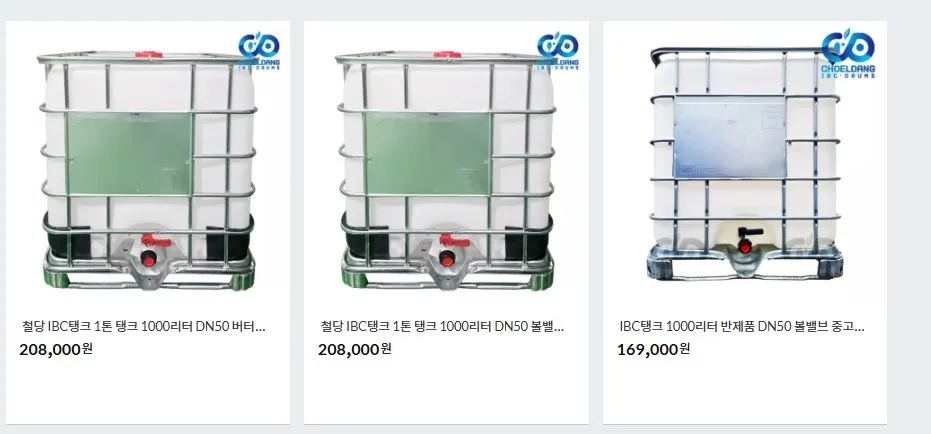
ibc are used in many settings because they can support both storage and transportation with minimal repacking. Typical scenarios include:
- Manufacturing sites: ibc can help streamline ingredient staging, reducing the need for multiple small drums or containers.
- Food-related operations: With appropriate specifications, food-grade ibc can be used for edible liquids such as syrups, oils, and concentrates.
- Farms and outdoor work: ibc can be used for water management, input storage, and controlled distribution where practical.
Why many teams prefer ibc
ibc are often selected because they bring operational gains that are easy to measure. Below is a simple overview of the advantages:
| Advantage | What it improves |
|---|---|
| Fewer handling steps | Less repacking means faster movement, fewer touches, and cleaner internal workflows. |
| Better space utilization | Stackable ibc layouts can improve warehouse organization and make loading plans more consistent. |
| Repeat-use efficiency | Reusable ibc can reduce single-use packaging waste and may lower total cost per cycle when managed well. |
What to confirm before choosing an ibc
To choose the right ibc for your process, confirm a few practical points. These checks help avoid compatibility issues and reduce operational risk:
- Contents compatibility: Verify the ibc material and sealing parts match what you plan to store or transport.
- Capacity planning: Decide the ibc size based on throughput, storage space, and how often you restock or ship.
- Handling method: Ensure the ibc format fits your equipment, such as forklifts, pallet jacks, and racking systems.
In summary, ibc are a practical solution for organizations that want a stable, scalable way to store and move bulk materials. When you match an ibc to your contents and handling environment, you can improve speed, reduce waste, and keep logistics more predictable across teams.
If you are planning to adopt ibc, start with a clear list of what you handle, where you store it, and how it moves between steps. That short checklist usually makes ibc selection faster and more accurate.